
James by Percival Everett: Book Club Review
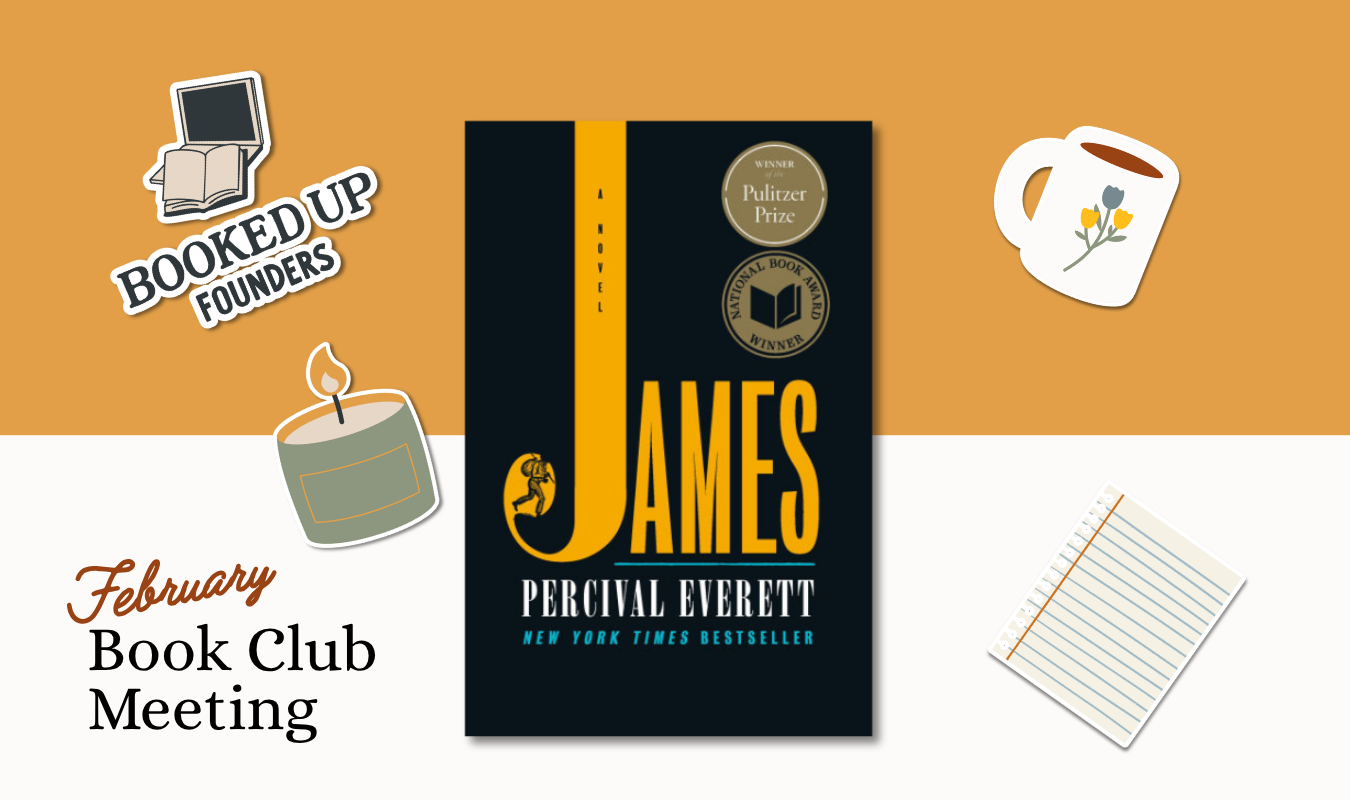
February brought us one of the most poetically explosive books we've read together. James by Percival Everett takes the familiar bones of Mark Twain's Adventures of Huckleberry Finn and turns them inside out, handing the story back to the person it always should have belonged to.
It was an urgent, brilliant, and at times devastating experience, and our discussion reflected every bit of that.
About the Author
Percival Everett was born in Georgia and grew up in South Carolina during the height of the Civil Rights era. He holds a bachelor's in philosophy from the University of Miami and a graduate degree from Brown University, and he is currently a professor of creative writing at USC. He has written more than 30 books with recurring themes around race, identity, the power of language, and satirizing major institutions like publishing, academia, and law enforcement.
His breakthrough novel Erasure is a sharp satire about the commodification of Black trauma in publishing. The Trees, a genre-bending horror-satire inspired by Emmett Till's legacy, was shortlisted for the Booker Prize. He has also received the Gene Stein Book Award, a Guggenheim Fellowship, and the Hurston Wright Legacy Award. He is ALSO a musician and visual artist, because apparently he decided one form of genius wasn't enough.
How We Rated It
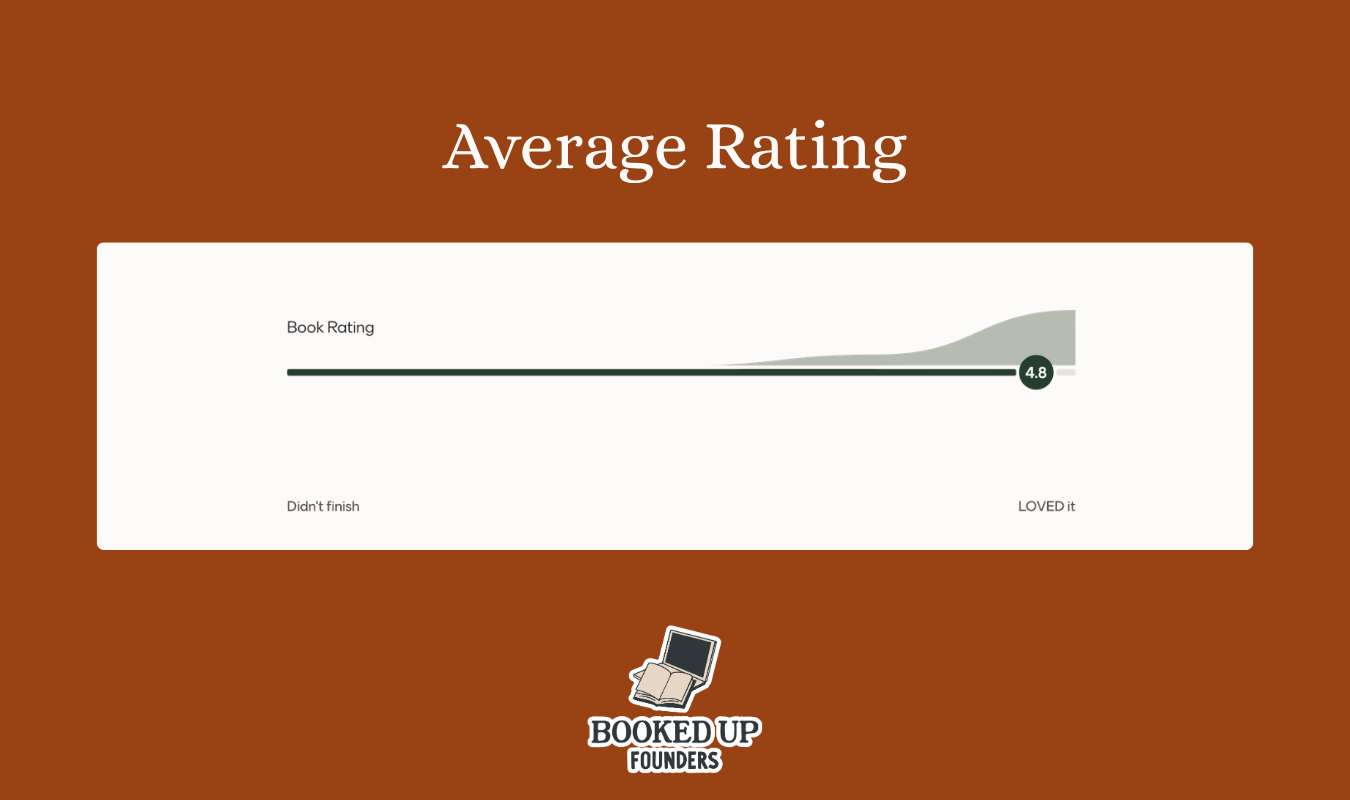
Our highest-rated book ever, and it wasn't close. After months of the group being, in our own words, "scathing" (our previous average hovered around 2.5), James broke the mold entirely.
One member read the whole thing the day before our meeting, and another finished it the night before and arrived to the call saying she needed to talk to people about this book immediately.
Words to Describe It
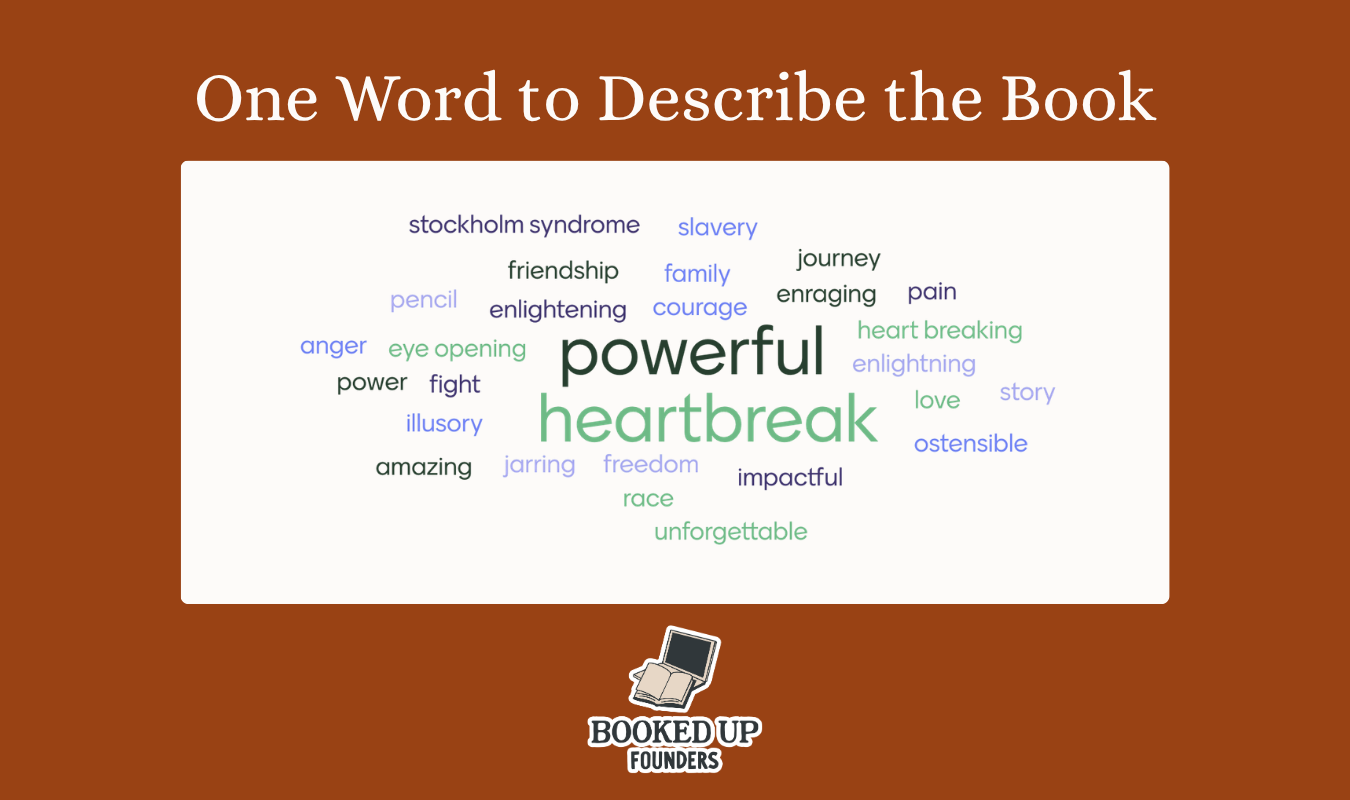
The two words that dominated the cloud say it all: powerful and heartbreak. This book asks you to sit inside an experience you cannot fully fathom. Words like "enraging," and "jarring" also showed up, which tells you this group wasn't looking away from the hard parts.
Moments That Stood Out
Hearing It Out Loud
A significant portion of the group listened to the audiobook, and the response was unanimous. The voice performance transformed the reading experience, particularly when it came to the way language functions in the story.
One of the most discussed elements early on was Everett's central conceit: that enslaved people spoke in full, eloquent, philosophically rich language among themselves, and performed the broken dialect that white people expected as a form of protection.
The Impossible Choice
The scene where both Huck and Norman are in the water, and James can only save one, was heartwrenching. One member described sitting with the full weight of that impossible decision: loyalty to a fellow enslaved man who had sacrificed for James, versus a white boy James has known his entire life who is also, secretly, his own child.
Both Huck and Norman are white-passing. James is not. The choice he makes carries every layer of that, and Katerina noted that Everett was masterful at returning again and again to the fundamental truth that an enslaved person's fate rested almost entirely on chance and the whims of whoever was standing in front of them.
The Ending They Deserved
The final stretch of the book produced our most visceral reactions. When James returns to town, discovers his wife and daughter are gone, and starts stepping fully into himself, the room felt it. One member admitted she had been worried the whole time that it would end with a lynching, and when James had Judge Thatcher at gunpoint she found herself saying “YES!” out loud.
Another member pointed out that in killing Hopkins, James wasn't just acting for himself, but saving others too. We compared those last twenty pages to the action movie shot where the hero walks away from the explosion: James choosing his own name. James in control of his life.
The Pencil
Young George is lynched for stealing a pencil. Not a weapon. Not money. A worn-down nub of a pencil.
One member asked a question that cracked the conversation open: "Did he steal a pencil or was he punished because he stole a means to write? Did the pencil simply represent knowledge?"
What followed was one of the most powerful exchanges of any Booked Up Founders meeting we've had. A member reflected on what it means to her, as a Black woman, to be in a book club—to read freely, to write, to gather knowledge without fear.
She said that reading has always been a political act for her: "My ancestors did not even have the opportunity to be able to have the amount of knowledge or the carefree reading that I get to do."
Then she connected it to the state of the U.S. today, from book bans, to defunded schools, to the ongoing strategy of restricting access to knowledge.
The bottom line: the pencil was "the most dangerous weapon that could have been stolen."
The Absurdity of Race, Constructed
In the minstrel troupe sequence, where James reflects on the composition of the group and the ways they painted themselves different shades. The scene highlighted, with almost uncomfortable humor, the sheer constructed absurdity of race as a social category.
This folded into a longer conversation about Norman, who is white-passing, and how James has to grapple with whether someone who has been treated as white can fully understand the experience of someone who has not. The book doesn't resolve that tension either, and the group appreciated that.
A View Into Our Dark History
One member articulated it perfectly: "learning that the world is worse than you thought probably is a good way to make you claim power to change it. And we can all relate to that right now."
Up Next: Welcome to the Hyunam-Dong Bookshop
Next month we're stepping into the world of translated fiction. Our theme is Translated Novel, and we're reading Welcome to the Hyunam-Dong Bookshop by Hwang Bo-Reum, a Korean novel about rest, community, and the power of a bookshop built by someone who decided to start over.
Want to join our fun, stress-free, fiction-only book club for business owners? Apply here.
